Hydraulic Engineering Services Across West Africa
Hydraulic engineering is the science of water in motion — understanding how rainfall becomes runoff, how runoff moves through channels and culverts, and how structures can be designed to control and convey water safely. In West Africa, where intense rainfall events regularly overwhelm drainage infrastructure, skilled hydraulic engineering is not optional — it is essential for protecting roads, bridges, communities, and investment.
My hydraulic engineering experience spans municipal stormwater systems, road drainage networks, bridge scour analysis, and channel design. I began my career sizing culverts and determining drainage districts for municipal stormwater systems under senior engineer supervision, and progressed to independent responsibility for full hydraulic design packages — including plan sets, calculations, and coordination with surveyors and contractors.
Hydrological Analysis & Runoff Calculations
Every hydraulic design begins with hydrology — quantifying how much water will flow through a system during a design storm event. I calculate catchment runoff areas, apply land-use and soil type coefficients, and determine peak flow rates for design storms ranging from 5-year to 100-year return periods. For West African catchments where rainfall intensities are high and soil infiltration varies significantly by season, accurate hydrological analysis is the foundation of reliable design.
Open Channel Design
Open channels — drainage ditches, lined channels, and roadside swales — must be designed to convey peak flows without erosion or flooding. I apply Manning's equation and energy principles to size channel cross-sections, determine flow velocities, check for erosion risk, and specify appropriate lining where velocity exceeds soil limits. Poorly designed channels in Ghana's laterite soils erode rapidly, undermining roads and adjacent properties.
Culvert Hydraulic Analysis
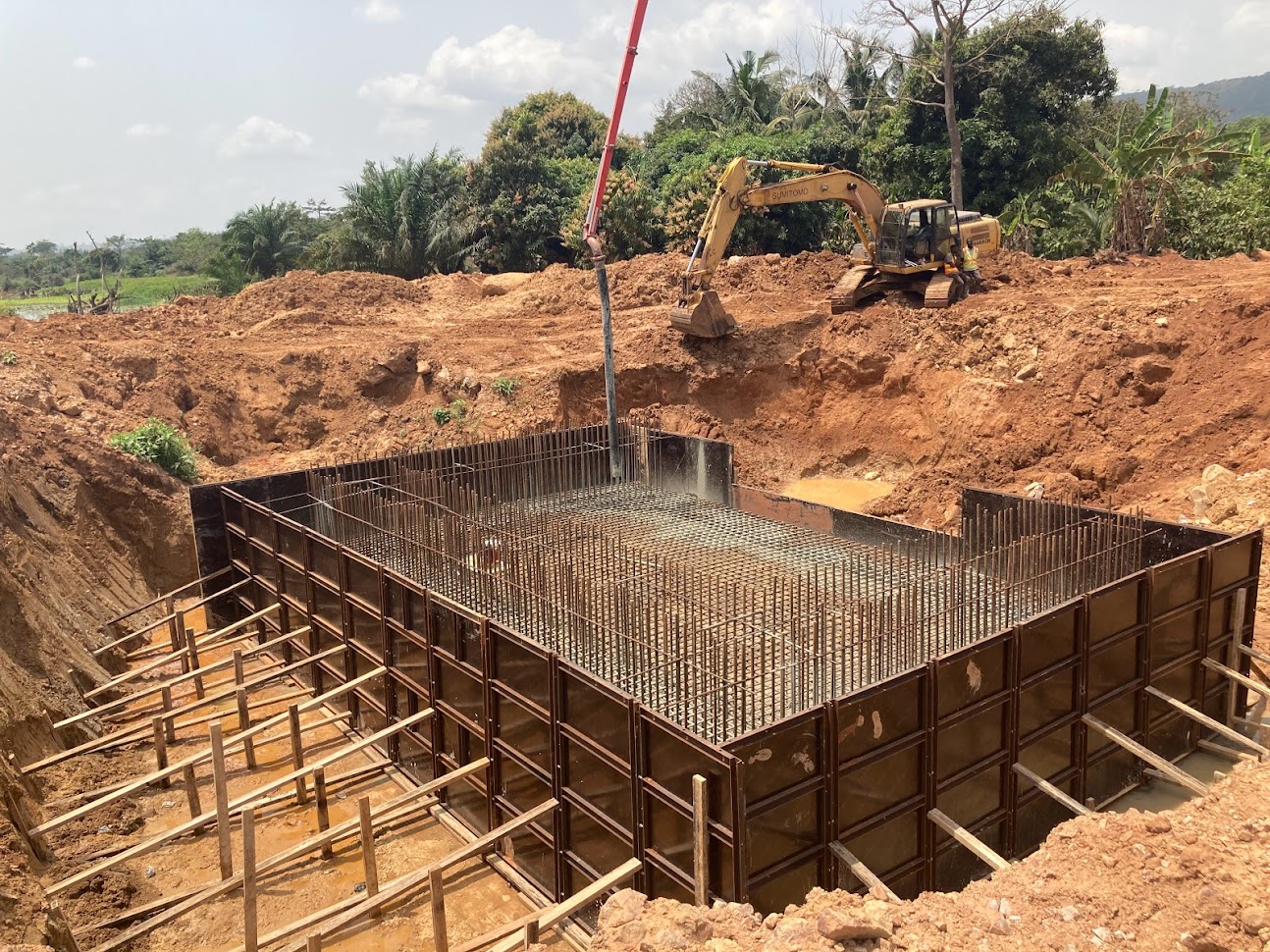
Culverts are one of the most critical hydraulic structures in road infrastructure. I size culverts using inlet and outlet control analysis, account for tailwater conditions from downstream channels, and check headwater levels against road embankment height. For the Road Crossing Culvert project in Accra, I calculated design flows and sized the reinforced concrete box culvert to meet hydraulic performance requirements, then produced design drawings and construction guidance for the site team.
Scour & Erosion Protection at Bridges
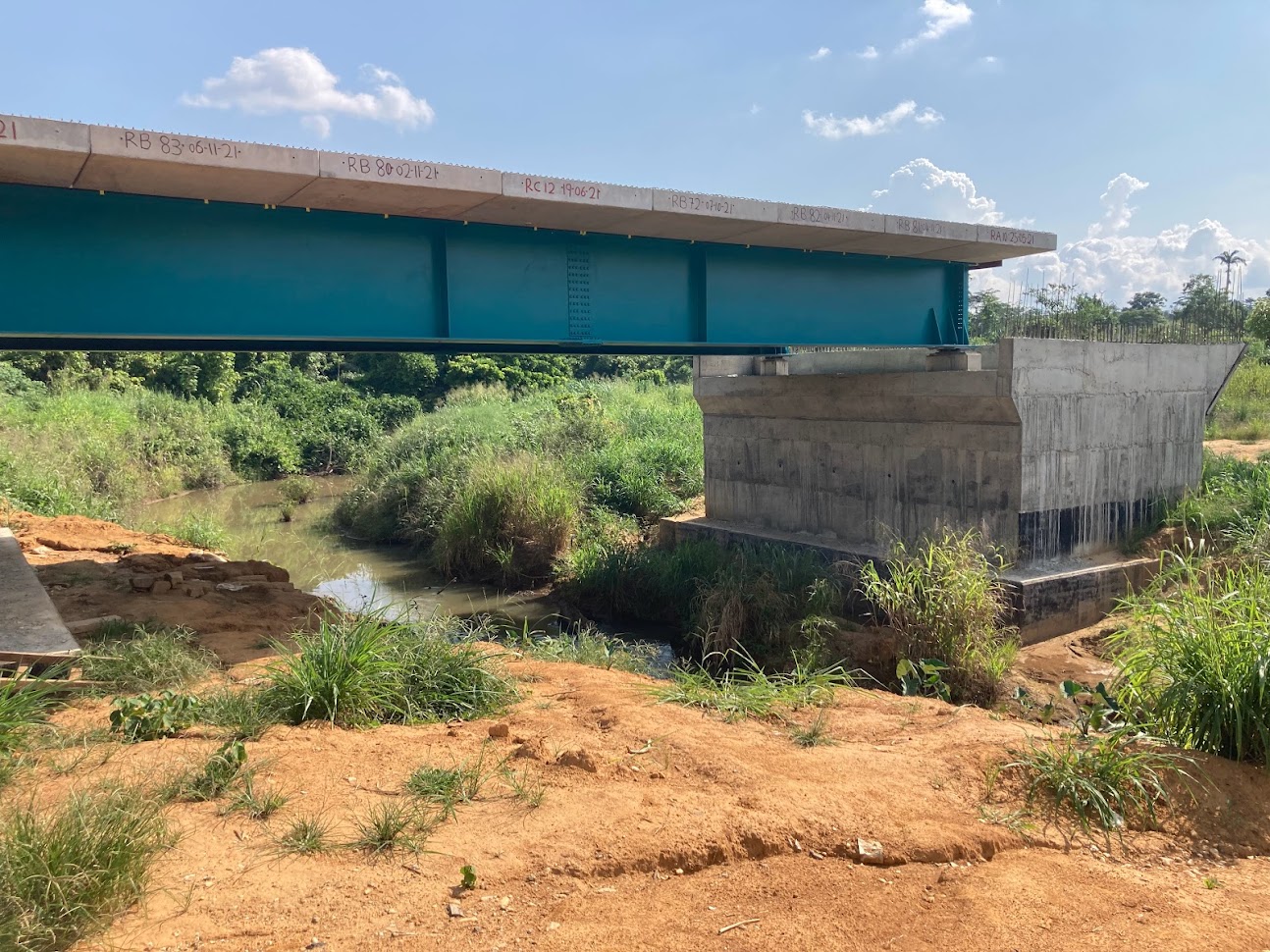
Scour — the erosion of bed material around bridge foundations during flood events — is a leading cause of bridge failure worldwide and a significant risk across Ghana's river crossings. At Broad Consult Ltd, I developed scour and erosion protection designs for eight bridge sites across Ghana, including riprap armoring, gabion structures, and vegetative stabilisation measures. I reviewed and approved contractor submittals for erosion control implementation to ensure compliance with design specifications.
Stormwater System Design
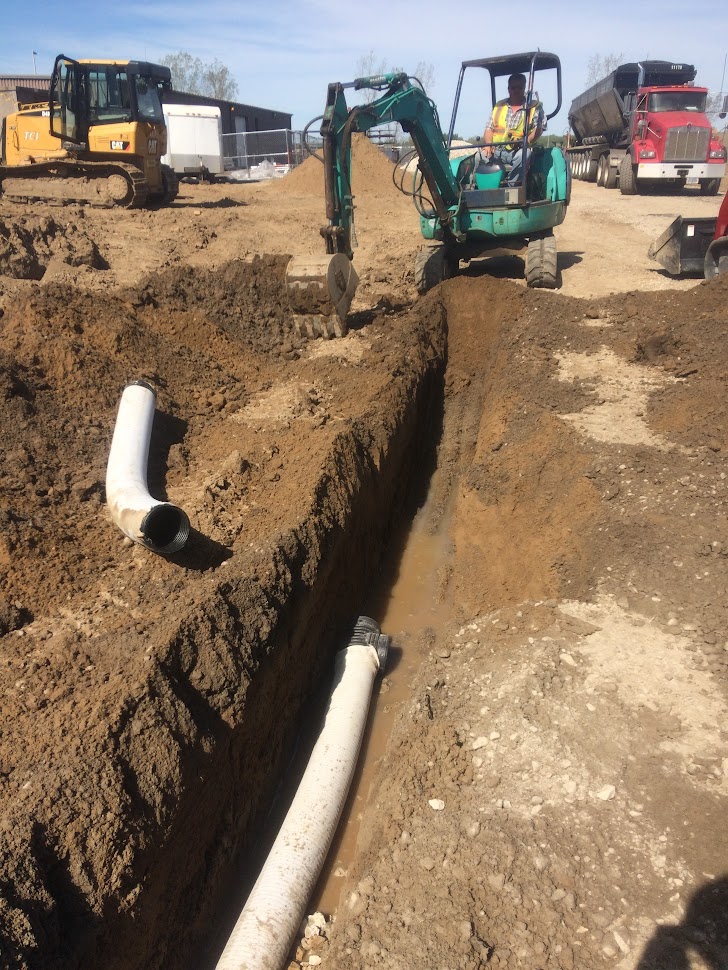
Municipal and site stormwater systems must convey runoff from impervious surfaces — roads, roofs, parking areas — to drainage outfalls without causing flooding or erosion. I design stormwater pipe networks and open channel systems, size structures for the design storm, and integrate water quality features such as rain gardens and detention basins where space permits. My experience with the Montgomery Drain project in Michigan involved designing stormwater system improvements for a large municipal catchment, incorporating rain garden features for water quality treatment.